Other

The legacy of David W. Pearce: a dedicated roundtable


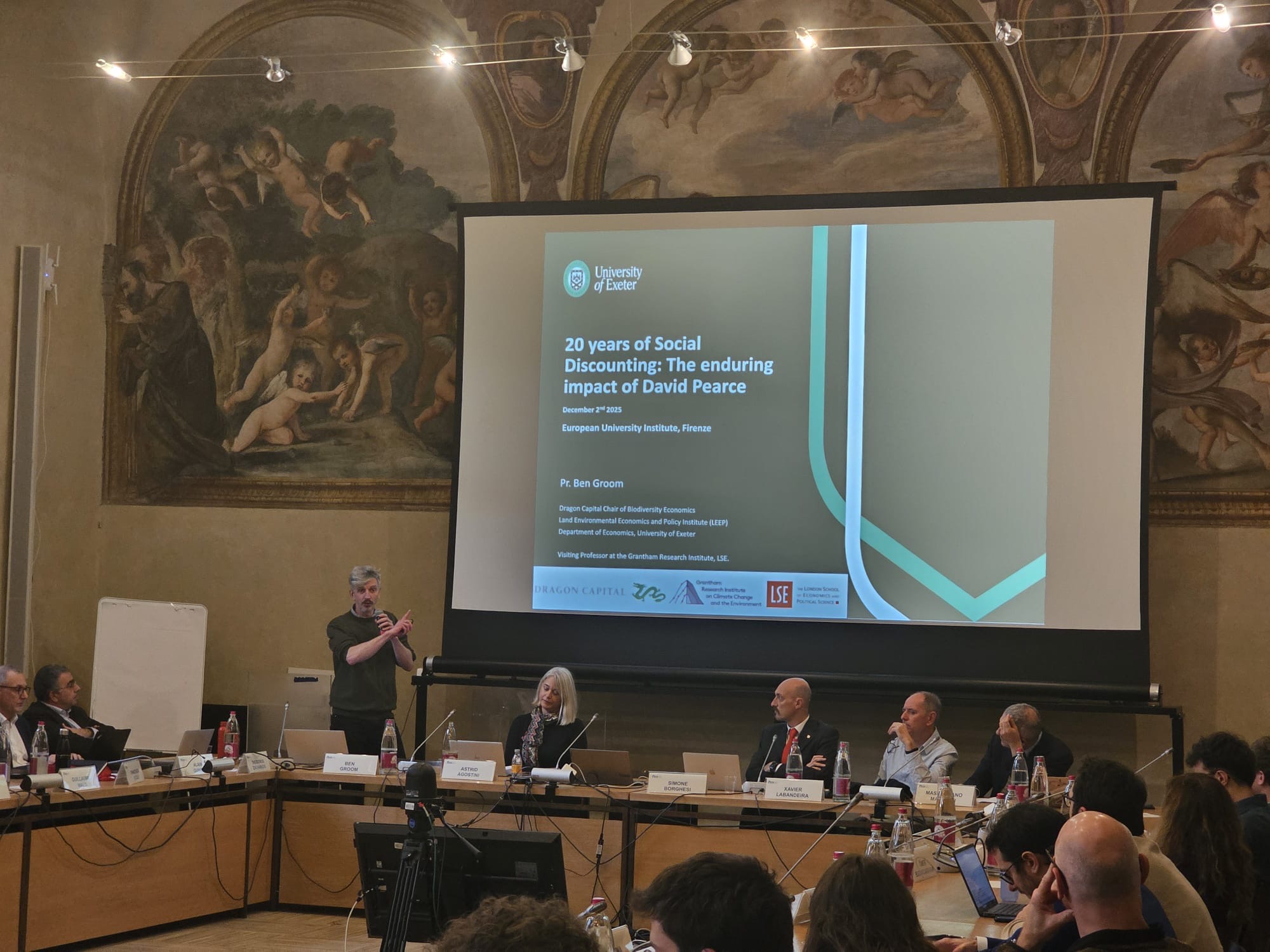
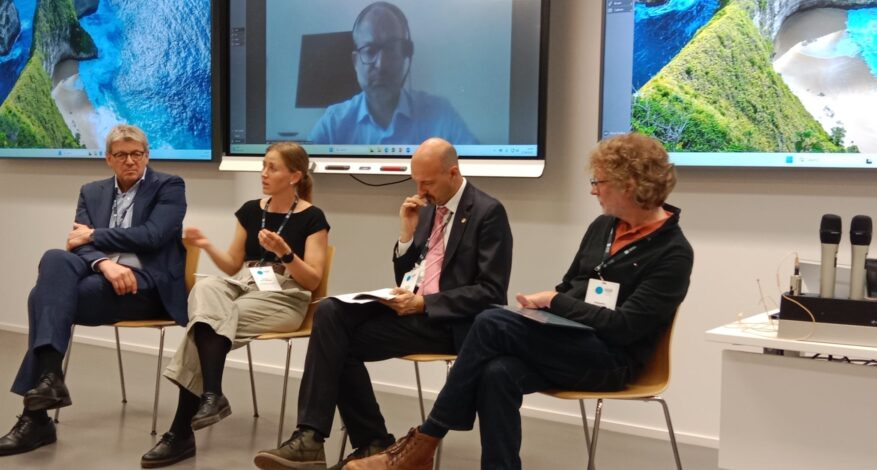
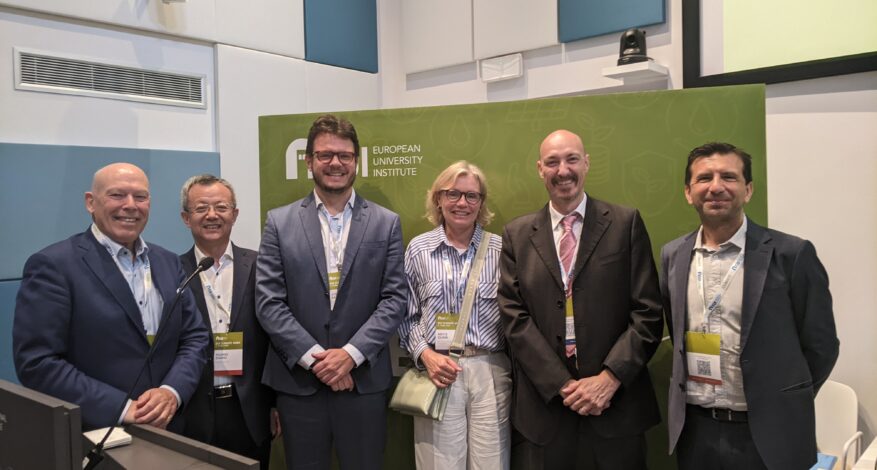
To honour the memory of David W. Pearce on the 20th anniversary of his passing, a dedicated roundtable discussion on his legacy was organised by the Florence School of Regulation in collaboration with the EAERE Policy Outreach Committee during the 11th Annual Conference on the Economic Assessment of European Climate Policies. The session took place on December 2nd, 2025 in Florence (Italy) and was chaired by EAERE President Simone Borghesi (EUI, University of Siena). Invited speakers included Astrid Agostini (FAO), Ben Groom (University of Exeter), Xavier Labandeira (University of Vigo), and Massimiliano Mazzanti (University of Ferrara).

Watch the video statements from Simone Borghesi, Frank Convery, and Ayumi Onuma.

EAERE members and roundtable speakers Simone Borghesi, Xavier Labandeira and Massimiliano Mazzanti.
EAERE member Ben Groom.
READ MORE
Cities

EAERE at COP30 – Local climate finance for a just transition to carbon neutral and resilient cities

The 30th meeting of the Conference of the Parties (COP30) to the UN Framework Convention on Climate Change (UNFCCC) took place in Belém (Brazil) on November 10-21, 2025. EAERE participated in the COP30 official side event on “Local climate finance for a just transition to carbon neutral and resilient cities“. Co-organised with SUR Lab Bocconi University, Conseil des Communes et Régions d’Europe (CCRE / CEMR), and Polytechnic of Turin, the event was held on November 11, 2025 at 18:30 – 20:00 Local Time / 22:30 – 24:00 (CET) in Belém (Brazil).

Session report

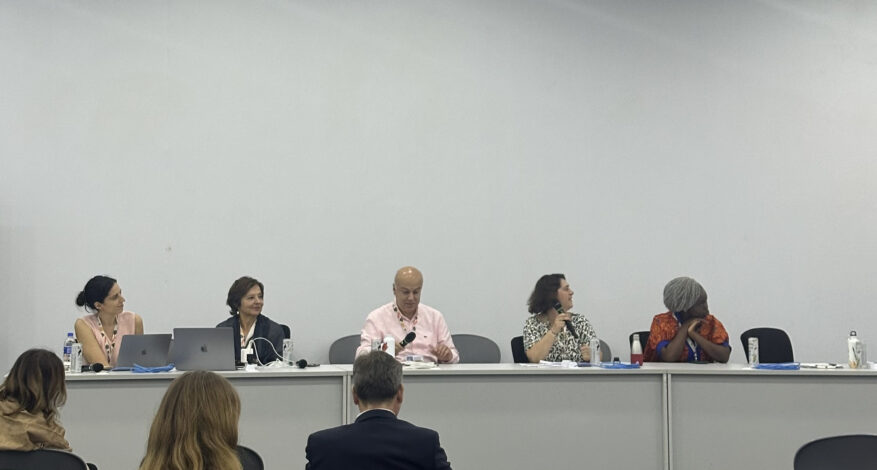
The workshop explored how local climate finance can support a just transition toward carbon-neutral and resilient cities. Moderated by Edoardo Croci (Bocconi University, SUR Lab; Spoke 1, MUSA Scarl), the session discussed governance frameworks and innovative financial instruments that enable cities to implement ambitious climate actions. Through a series of case studies, speakers examined how subnational entities can mobilize resources, ensure fairness in carbon budgeting, and align multi-level policies for urban decarbonization.

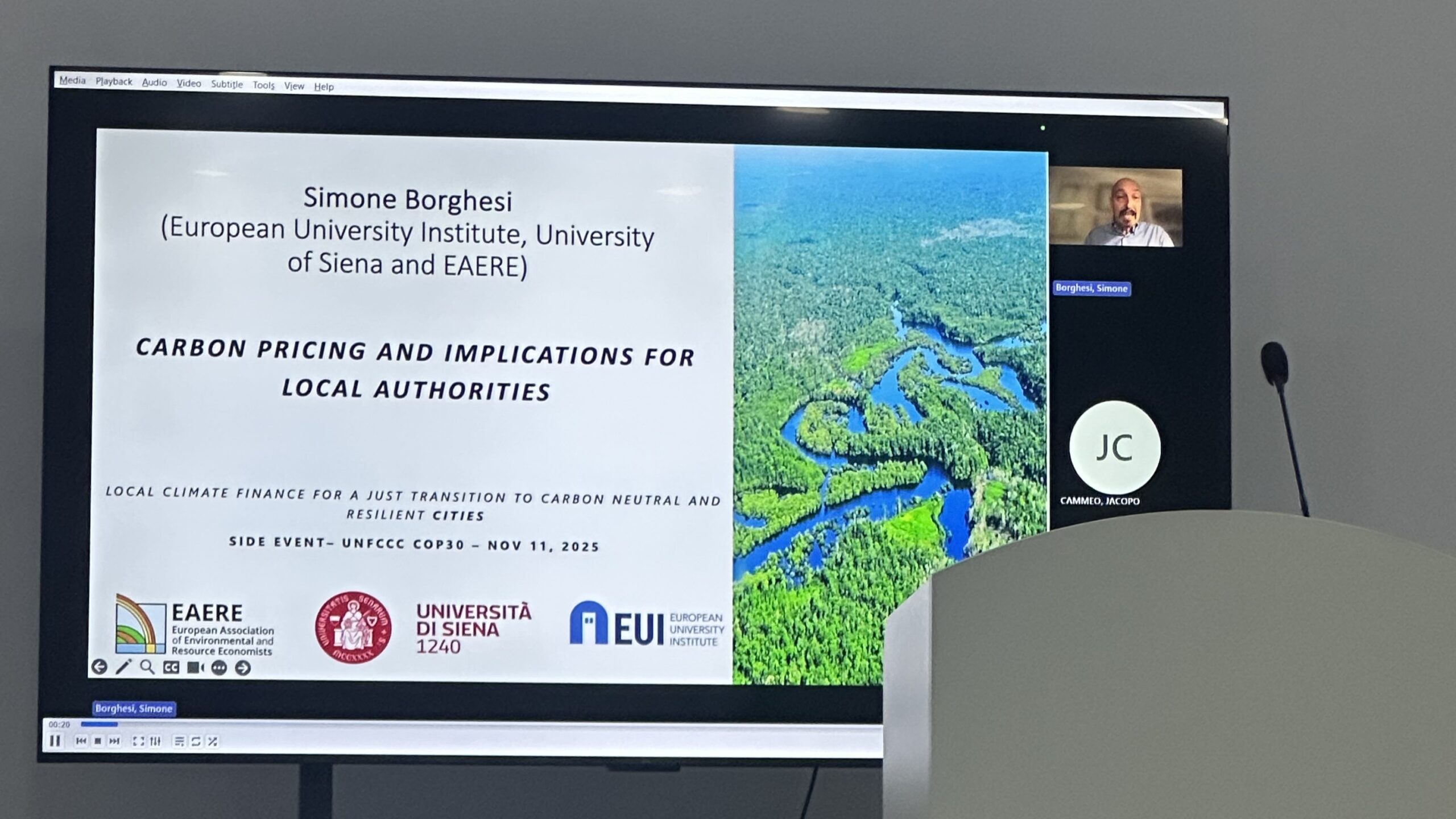
Simone Borghesi – EAERE / European University Institute / University of Siena

Simone Borghesi emphasized that cities account for around 70% of global CO₂ emissions and therefore play a pivotal role in achieving climate neutrality by 2050. Drawing on experiences from the province of Siena, certified in 2011 as one of the first carbon-neutral vast areas in the world, he illustrated how urban policies integrating emission-reduction targets, sustainable mobility, and responsible tourism can produce multiple benefits. He stressed the importance of carbon pricing and coherent multi-level governance, warning that local potential remains partly untapped due to fragmented regulations. He called for clear rules, bottom-up approaches, and greater financial empowerment of municipalities to translate symbolic commitments into effective action.

Karl Steininger – University of Graz

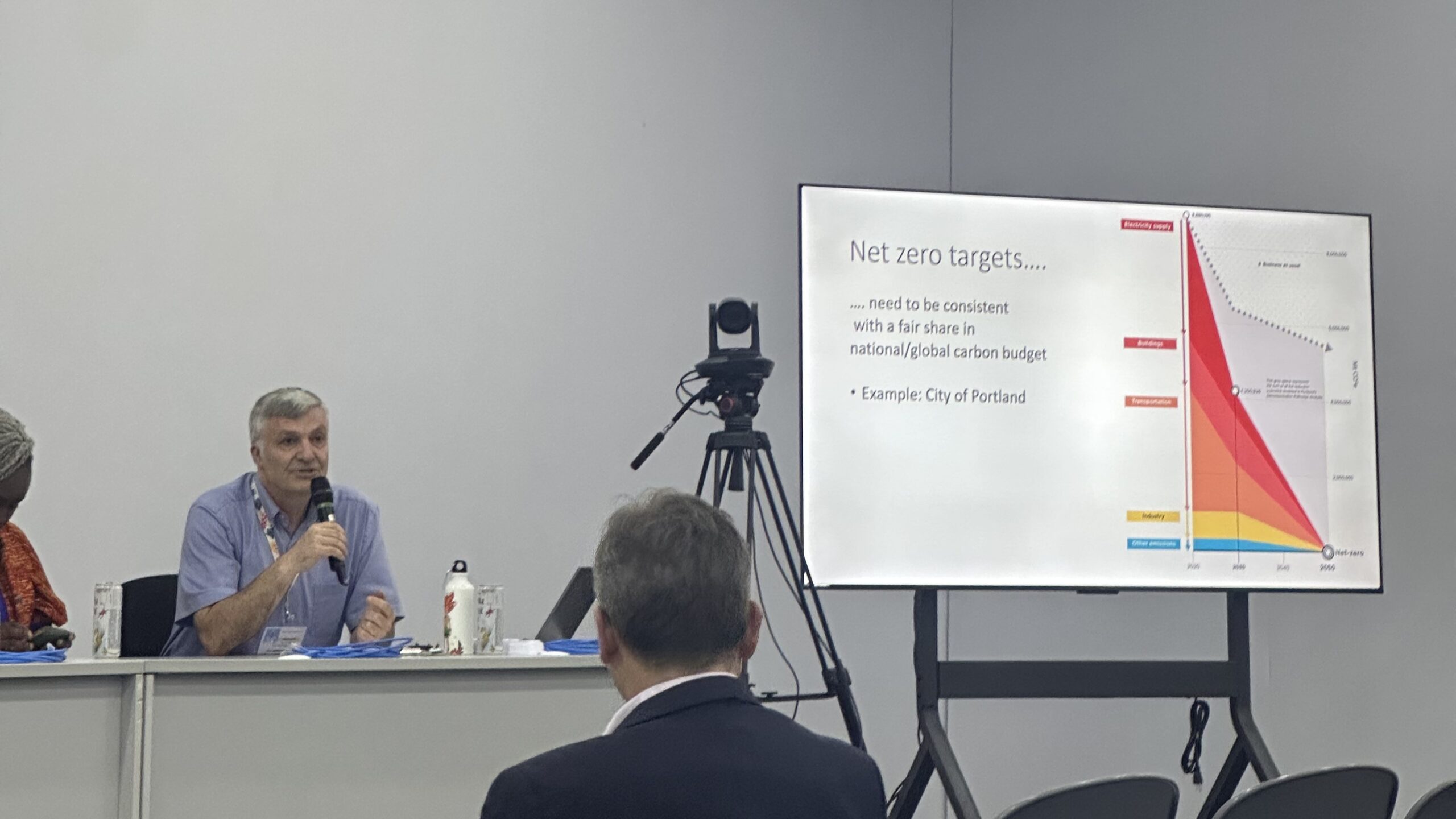
Karl Steininger addressed the challenge of allocating carbon budgets at the local scale, highlighting fairness as a key dimension for policy evaluation. While carbon budgets are traditionally defined at national level, cities increasingly set net-zero targets that must remain consistent with their “fair share” of national or global budgets. Presenting empirical results for EU cities, he proposed a flexible framework adaptable to different regulatory contexts where equity, wellbeing, and sufficiency thresholds should guide the distribution of mitigation efforts. Such an approach can inform financing strategies and ensure that urban transitions remain both equitable and consistent with broader climate goals.

Benedetta Lucchitta – SUR Lab Bocconi University

Benedetta Lucchitta examined two financial instruments suitable for Nature-Based Solutions (NBS) at the local level, focusing on their contribution to both mitigation and adaptation. NBS enhance urban resilience and wellbeing, yet their deployment often depends on payments for ecosystem services, voluntary or institutional schemes that compensate actors protecting natural assets. While typically designed at national level, these mechanisms can be implemented locally through ad hoc projects engaging municipal authorities and stakeholders. She highlighted the need to embed NBS financing within local governance frameworks, using Milan as an example of how urban ecosystems can be integrated into climate strategies.

Patrizia Lombardi – Polytechnic University of Turin

Patrizia Lombardi presented the Turin “Climate City Contract”, developed through a science-based and participatory approach led by the Polytechnic University of Turin. The platform collects data on both institutional and community-driven initiatives, enabling the monitoring of mitigation and adaptation actions. She underlined that scientific evidence and stakeholder collaboration are essential to manage urban complexity and ensure that data become “digestible” tools to guide decision-making.

Céline Papin – Vice Mayor of Bordeaux; AFCCRE and CUF

Céline Papin concluded by outlining key levers to finance local climate action: (1) large-scale investments to accelerate decarbonization over the next decade; (2) mobilization of all stakeholders through public-private partnerships and semi-public companies; (3) consistent measurement and monitoring using clear indicators. Her remarks emphasized that local financing must combine ambition, inclusivity, and accountability to drive effective urban transitions.

The session was interrupted for security reasons. Jane Lumumba, Programme Management Officer for Strategy and Climate Change at UN-HABITAT Regional Office for Africa, and Tadashi Matsumoto, Head of National Urban Policy and Climate Resilience Unit at OECD, did not have the chance to present.

Report by Cristina El Khoury (EAERE Communication Support Team).

Resources

Watch Simone Borghesi’s full speech here.

Access Karl W. Steininger’s slides here.

Presentation by Simone Borghesi (EAERE President).
Presentation by Karl W. Steininger (EAERE member and Country Representative for Austria).
READ MORE
Economy & carbon markets

WCEREA webinar – The political economy of carbon pricing


The World Council of Environmental and Resource Economists Associations – WCEREA hosted a policy webinar on “The political economy of carbon pricing” on September 9, 2025. Moderated by Marcelo Caffera (University of Montevideo and WCEREA Board member), it featured contributions from Bård Harstad (Stanford Graduate School of Business), Jeroen van den Bergh (Vrije Universiteit Amsterdam), and Catherine Wolfram (MIT Sloan School of Management).

Carbon pricing is widely regarded as a cornerstone of climate policy, yet current levels remain far below what is needed to achieve the Paris Agreement targets. The webinar explored why progress has been slow and how international trade, treaties, and public opinion could help raise ambition.

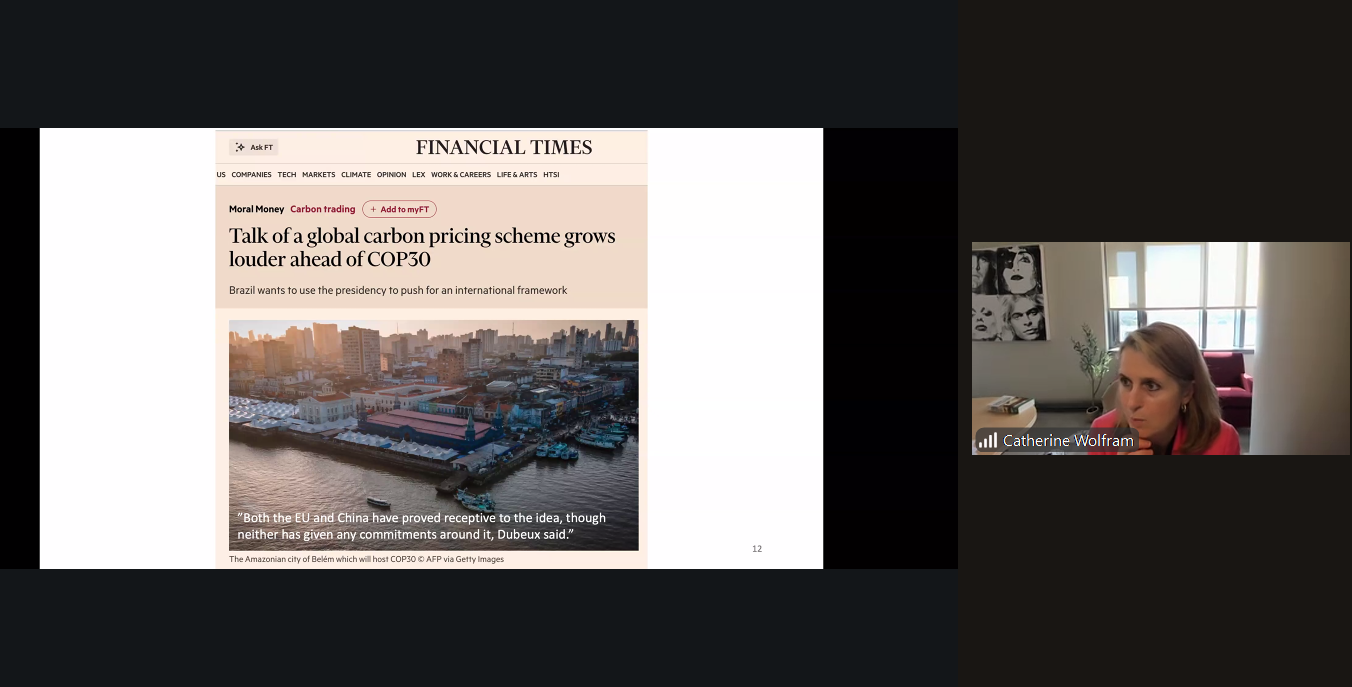
Catherine Wolfram highlighted the role of the EU Carbon Border Adjustment Mechanism (CBAM) in reshaping incentives. By charging imports at the border, CBAM reduces the benefits of free-riding and encourages partners such as Brazil and China to develop their own carbon markets. She noted that lower-income countries with cleaner electricity systems may also benefit in such a framework. Wolfram referred to her forthcoming report Building a Climate Coalition: Aligning Carbon Pricing, Trade and Development, which outlines how coordination in heavy industries could advance global carbon pricing.

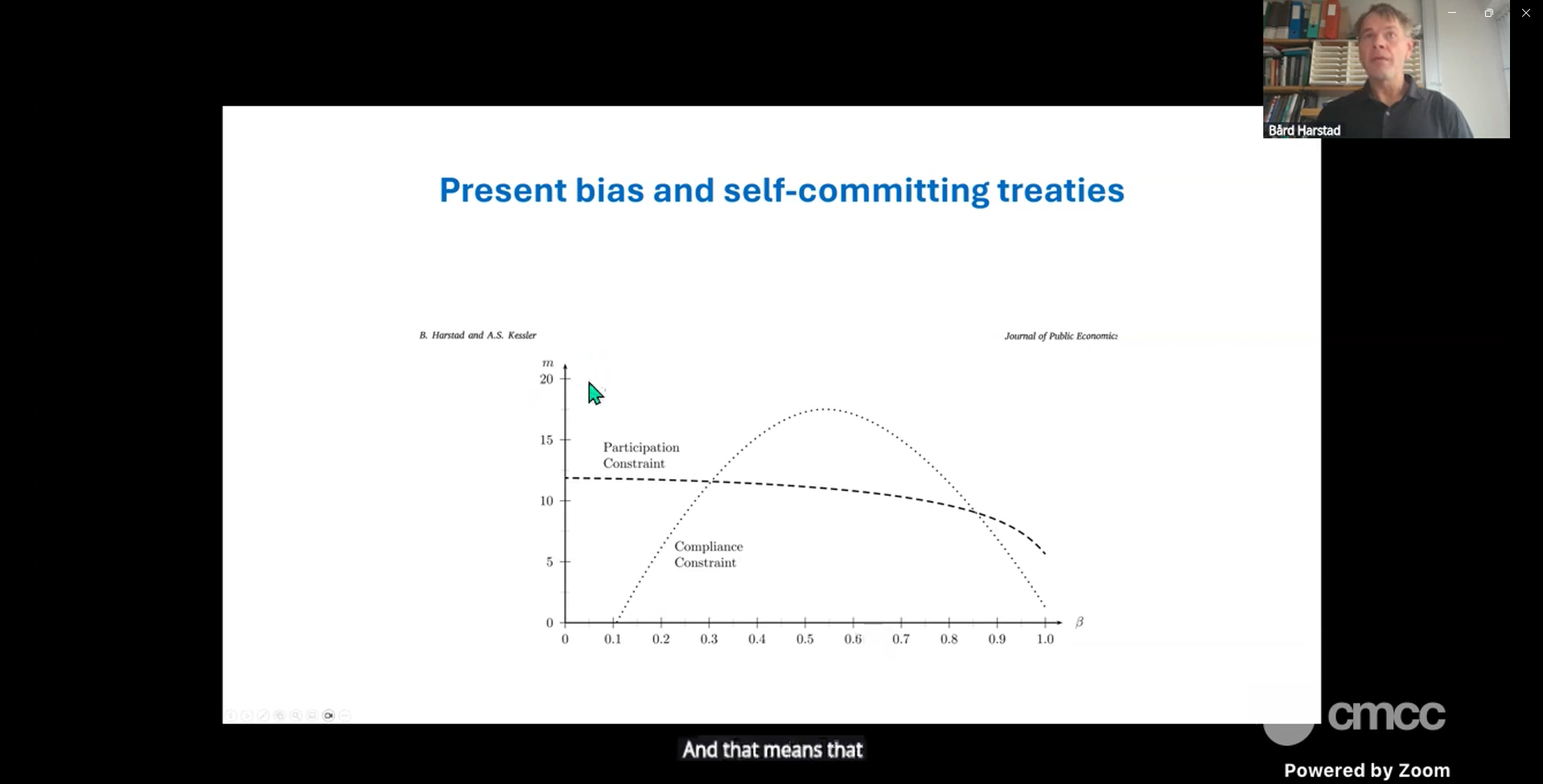
Bård Harstad underlined that carbon pricing not only reduces emissions but also stimulates innovation and renewable energy through spillover effects. He pointed to political economy challenges such as lobbying, protection of connected firms, and policy reversals after elections, which weaken commitments. International treaties can make future deviation more costly, increasing the credibility of carbon pricing. Harstad also stressed the potential of trade policy, showing how tariff functions and contingent trade agreements can provide incentives for countries to adopt and maintain stronger policies.

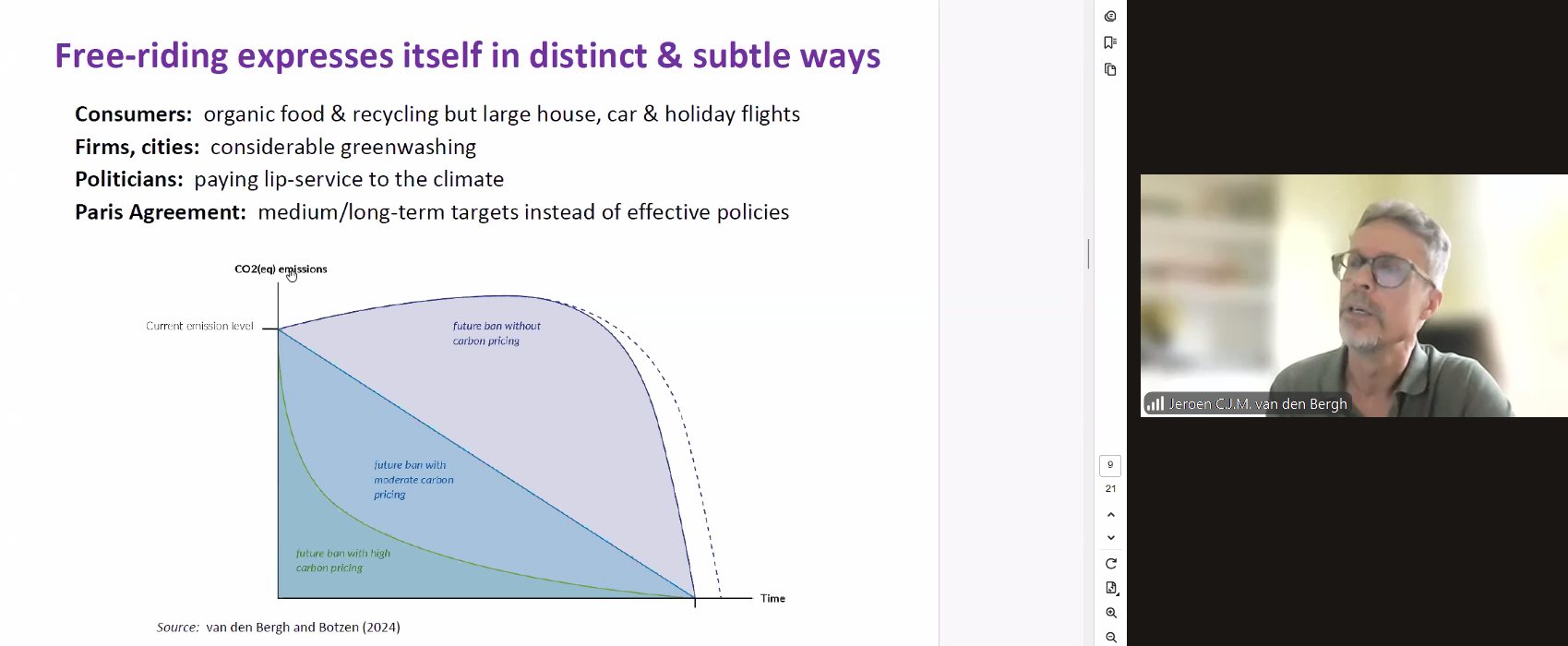
Jeroen van den Bergh focused on public support for carbon pricing, stressing that acceptance evolves over time. Citizens’ perceptions are influenced by how policies are framed, the narratives surrounding them, and their interaction with other measures. He identified opportunities to broaden the arguments for carbon pricing, combine it with complementary policies, and build feedback loops between public opinion and implemented measures.

The discussion concluded that high carbon prices are unlikely to be politically viable if pursued in isolation. Instead, carbon pricing should be part of a broader mix that includes complementary domestic measures, international coordination, and trade-based mechanisms, offering a more effective path toward ambitious and durable climate action.

Report by Antonia Pacelli, EAERE Communication Support Team.

Watch the video recording on the WCEREA YouTube channel.

Access the panelists’ slides:

Catherine Wolfram
Bård Harstad
Jeroen van den Bergh
READ MORE
Ecosystems & biodiversity

EAERE 2025 Policy Session on “Climate change, biodiversity and ecosystem services on the way to COP30”


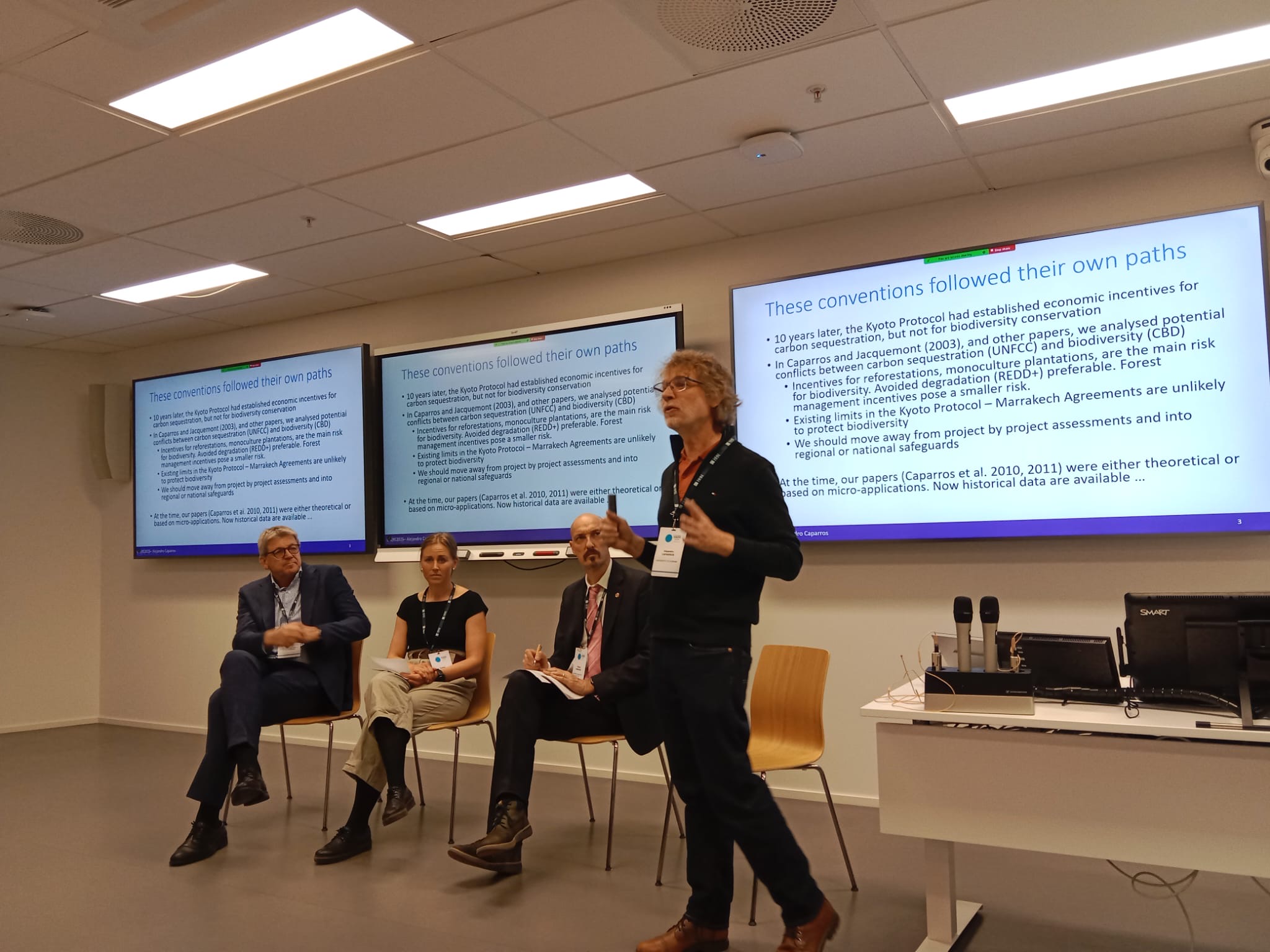
The session organised by the EAERE Policy Outreach Committee – POC “Climate change, biodiversity and ecosystem services on the way to COP30“, held during EAERE Annual Conference 2025 in Bergen (Norway) on June 17, 2025 was chaired by Simone Borghesi, EAERE President, and featured contributions by Philippe Tulkens, European Commission DG RTD, Alejandro Caparrós, Durham University, Stale Navrud, Norwegian University of Life Sciences, and Katinka Holtsmark, University of Oslo.

The United Nations Conference on Environment and Development (UNCED) in 1992, also known as Rio “Earth Summit”, was one of the first global attempt to address the interlinked crises of climate change, biodiversity loss, and ecosystem degradation (IPBES, 2019). Three decades later, the need for action has dramatically increased. Global temperatures have already risen by 1.1°C above pre-industrial levels (IPCC, 2022), significantly altering marine, terrestrial and freshwater ecosystems all around the world (Dasgupta, 2021; FAO, 2024). Building on this urgency, parties at COP29 in Baku agreed a deal on rules for a global market to buy and sell carbon credits. These new agreement opens vast opportunities for integrating biodiversity and ecosystem services into carbon markets, further enhancing their role in climate change mitigation. COP30 in Belém, besides bringing together countries in Brazil after more than 30 years from Rio 1992, presents a crucial opportunity to build on the momentum from COP29, uniting the Global North and South in strengthening partnerships. In such an arena, how can carbon markets be designed to benefit climate action and biodiversity preservation? And how can Europe best support Global South in biodiversity protection at this critical juncture?

The session focused on two key topics while approaching COP30. First, building on the IPBES-IPCC previous studies on biodiversity and climate (IPBES, 2021), it explored how biodiversity and ecosystem services can be integrated into climate action, focusing particularly on carbon credit systems that help both mitigate climate change and protect biodiversity. The session also discussed how to strengthen cooperation between the Global North and South, building on the progress made at COP29. Special attention was given to Europe’s role in supporting biodiversity protection in the Global South through financial support and capacity-building, aiming to create more equitable and collaborative global solutions to climate challenges.

Watch the video recording on the EAERE YouTube channel.

READ MORE
Other

EAERE represented in the final roundtable of the VI Siena Conference on the Europe of the Future

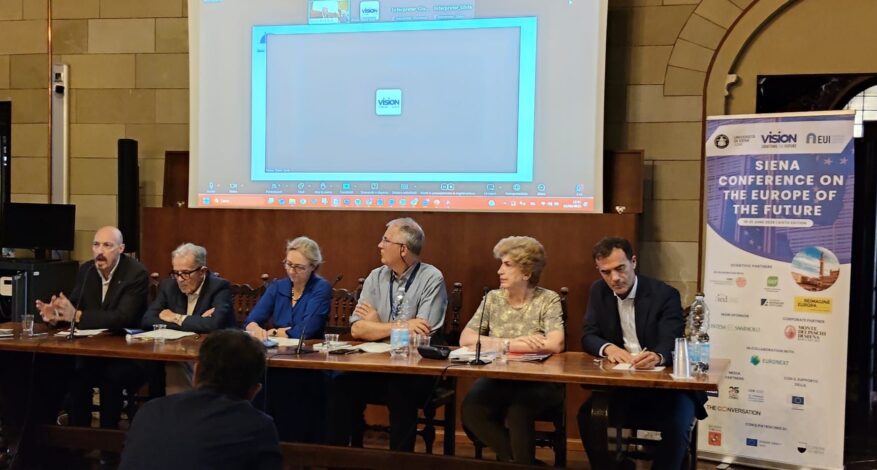
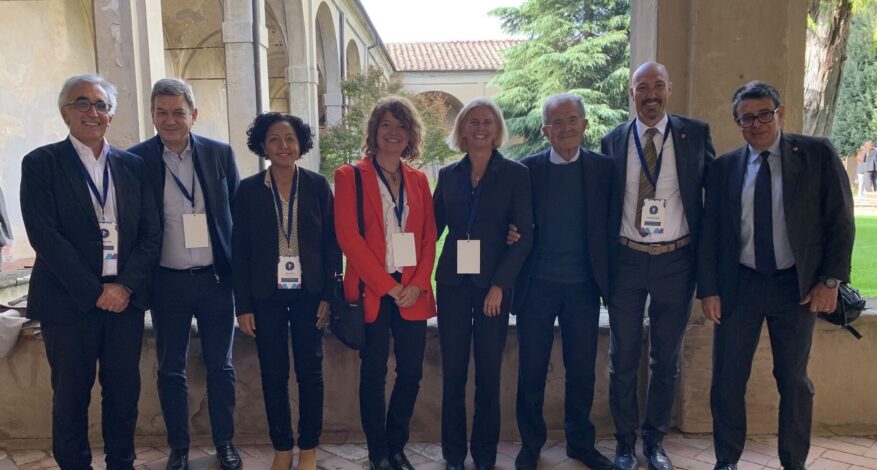
On 21st June 2025, an high-level set of panelists discussed and presented the Pontignano Paper wrapping up all inputs and contributions of the VI Siena Conference on the Europe of the Future. The roundtable was chaired by Victor Mallet (Financial Times) and featured Simone Borghesi (EAERE, EUI, University of Siena), Sandro Gozi (MEP and former Italian Minister for European A airs), Maria João Rodrigues (FEPS, former MEP and former Portuguese Minister of Employment), Barbara Kolm (Austrian Economics Center, F.A. von Hayek Institut and former Vice President Austrian Central Bank) and Romano Prodi (former EU Commission President and Italy’s Prime Minister).

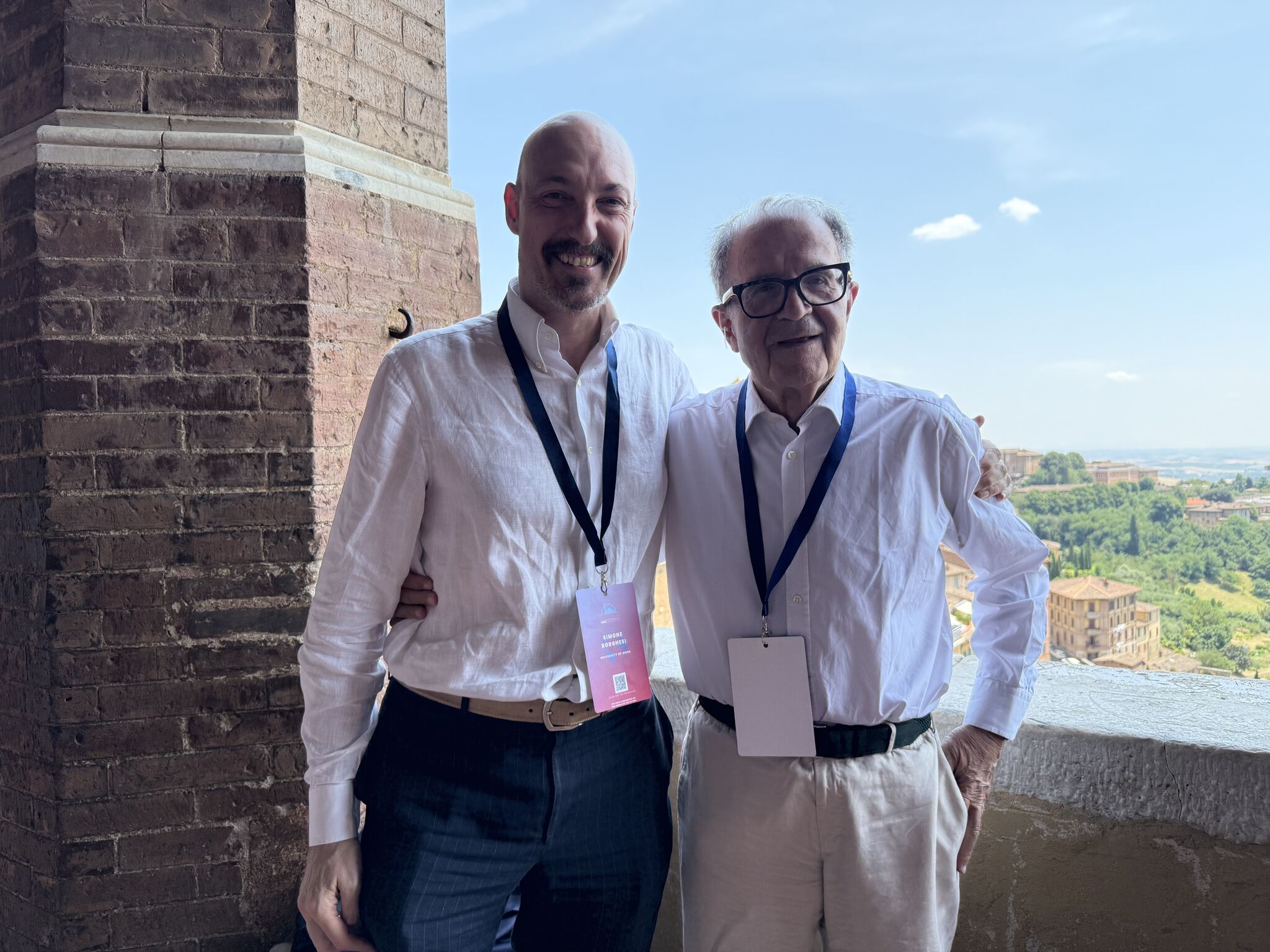
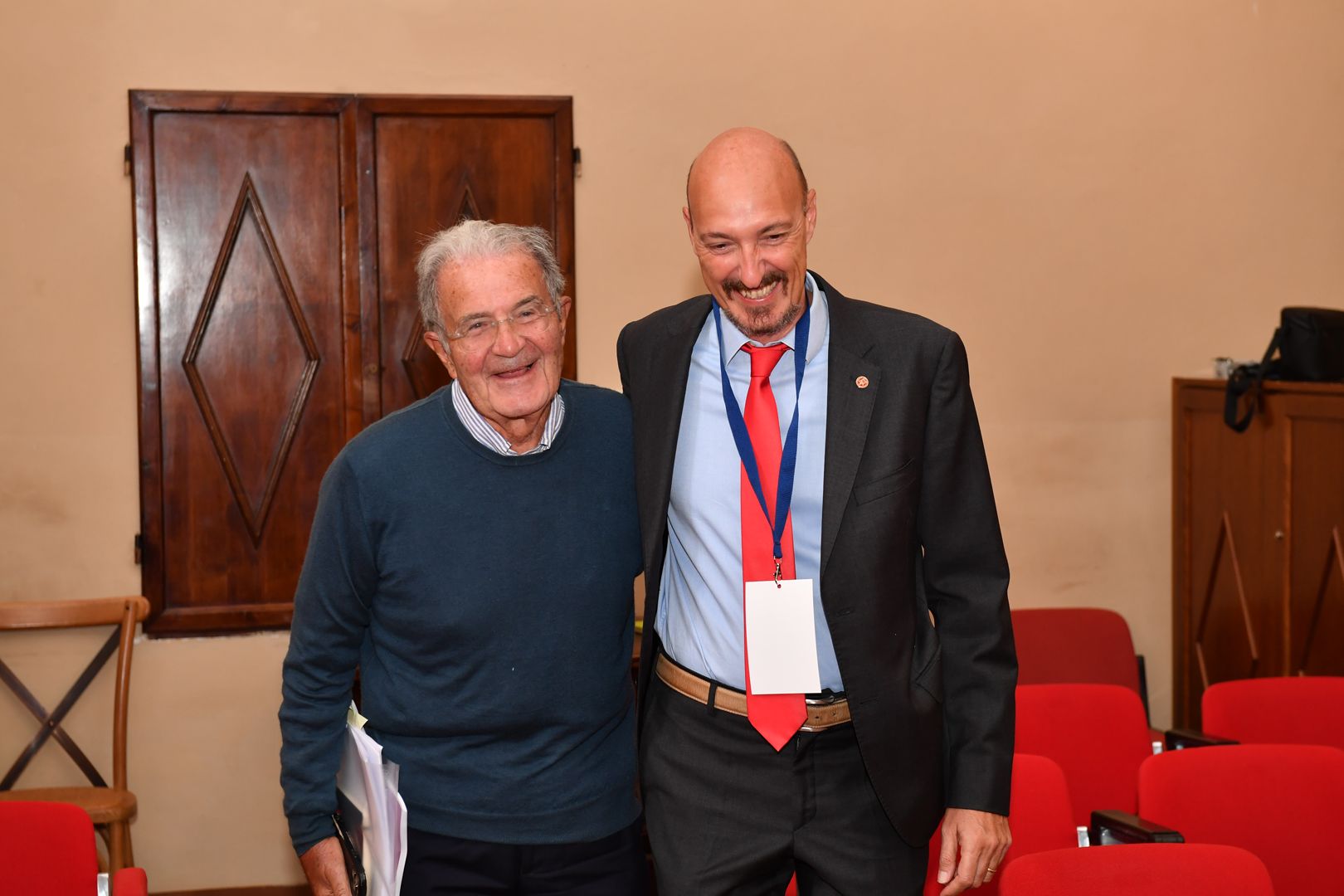
Romano Prodi and Simone Borghesi
READ MORE
Economy & carbon markets

Bridging Carbon Markets in a Fragmented Policy Landscape

Reflections from the EAERE POC – LIFE COASE Net Zero Carbon Market Policy Dialogue on May 7

Environmental economists have long argued for integrating carbon markets to maximize environmental benefits. In practice, the number of Emissions Trading Systems (ETSs) has grown to 38 systems worldwide, but their integration has progressed slowly over the past years. At the same time, new opportunities for carbon market integration in the context of the UNFCCC and the Voluntary Carbon Market (VCM) are becoming increasingly tangible. Contributing to a better understanding of the obstacles and new prospects for carbon market integration was the aim of the EAERE POC – Life Coase Policy Dialogue on Advancing carbon market integration under Article 6, which took place on May 7, 2025 during the EUI Climate Week 2025.

The policy dialogue was moderated by the EAERE President Simone Borghesi (EUI, University of Siena), including a presentation by Baran Doda (adelphi), and a panel discussion with Nataliya Kushko (ERCST), Mette Quinn (European Commission), Xiliang Zhang (Tsinghua University) and José Pedro Bastos Neves (Ministry of Finance, Brazil). The event was concluded by the EAERE POC Chairperson Jos Delbeke (EUI).

The Current Carbon Market Landscape: Growth and Fragmentation

As of 2025, ETSs cover about 19% of global greenhouse gas (GHG) emissions. While established systems like the EU ETS, China National ETS, and UK ETS continue to evolve, new systems are also emerging. Currently, there are 20 systems under development or under consideration globally in places like Brazil, India, Türkiye, and Japan.

Despite this growth, significant fragmentation exists which limits the prospects of carbon market integration. While some linkages between compliance markets already operate smoothly, such as those in the states of the Regional Greenhouse Gas Initiative (RGGI), between Tokyo and Saitama, California and Québec, and the EU and Switzerland, broader integration faces considerable hurdles.

Key Obstacles to Linking Markets

The discussion highlighted several critical barriers to linking different ETSs. First, more and more ETSs are adopting intensity-based caps rather than absolute caps. Intensity-based caps provide compliance entities with flexibility and can support ambitious targets provided the intensity benchmarks are set sufficiently stringent, and the design of the ETS and other climate policies in the jurisdiction are well coordinated. However, they introduce greater uncertainty compared to absolute caps. Notably, the EU ETS is legally restricted to linking only with systems that have absolute emissions caps. This difference in approach makes linking more challenging.

Second, the use of offset credits varies widely across ETSs, from being completely banned to being allowed for a significant portion of compliance obligations. The variety of crediting mechanisms and the resulting differences in credit types and quality add further complexity. This fragmentation poses a significant challenge, as systems are more likely to link if they share similar designs.

Lastly, each ETS reflects its national context and interests, resulting in different policy designs. In addition, political obstacles, including climate-skeptic governments and geopolitical factors, can delay international cooperation on carbon pricing. Linking requires common rules and economic conditions, as well as trust, which are not always present.

Promising Developments under Article 6

Despite the challenges in direct linking, new opportunities for cooperation are emerging, particularly through Article 6 of the Paris Agreement. Agreements reached at COP29 in 2024 substantially advanced the market mechanisms under Article 6.2 and Article 6.4. However, critical issues remain unresolved, such as ensuring transparency and environmental integrity of the mechanisms. Capacity-building needs in developing countries are also a key issue.

The latter issue was also picked up in the discussion, which highlighted the unique challenges faced by developing countries establishing carbon markets. The right decisions on cap setting, carbon credits and linking depend on the national context. The panel speakers emphasized the need for better exchange between the Global North and Global South and more careful analysis of impacts of carbon pricing on society and economic growth in developing countries. Multilateral cooperation and clear international regulation were seen as necessary preconditions for continued carbon market development.

Looking ahead, while direct linking of ETSs is complex, particularly across systems with very different designs, the dialogue suggested that indirect linking via Article 6 mechanisms and the VCM might be a more promising avenue. A “coalition of the willing” composed of parties with common ambition and principles could also help drive progress.

Find out more in the Policy Brief State-of-play in international carbon markets 2025.

Watch the interviews with Mette Quin and Baran Doda.

READ MORE
Other

Strengthening the Mediterranean cooperation of environmental and resource economists: MEDAERE at AERNA 2024 and at the 5th Siena Conference on the Europe of the Future

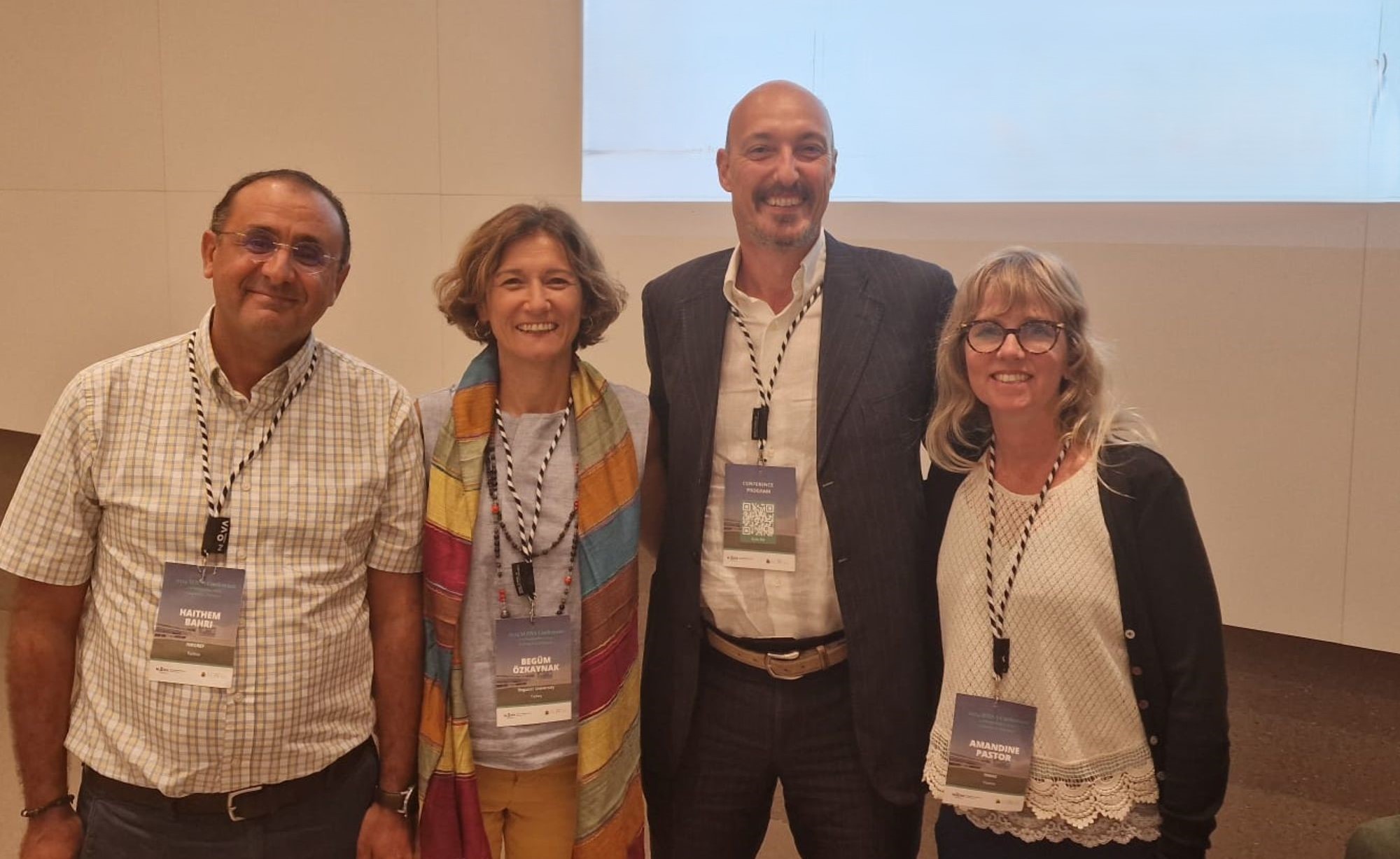
Environmental and resource economists working on the Mediterranean have taken a step forward in shaping up MEDAERE, the Mediterranean Association of Environmental and Resource Economists. The strong regional cooperation of EAERE economists inspired MEDAERE, which was presented at the 2024 EAERE General Assembly of Members in Leuven and promoted during two recent high-level events. At the AERNA XI Conference Roundtable “Climate Change and the Water-Energy-Food Nexus: Challenges for the Long-term Stability of the Med Area” chaired by Simone Borghesi, EAERE President, Haithem Bahri (INRGREF, Tunisia), Begüm Özkaynak (Bogazici University, Turkey) and Amandine Pastor (INRAE, France) exchanged views from the Northern, Southern and Eastern shores of the Mediterranean. The discussion progressed in Siena at the plenary session of the 5th Siena Conference on The Europe of the Future. Romano Prodi, former President of the EU Commission and former Prime Minister of Italy, Carmen Arguedas, Raja Chakir and Valeria Costantini, representatives of AERNA, FAERE, IAERE, respectively, Angelo Riccaboni (President of PRIMA) and Marcello Scalisi (Director of UNIMED), chaired by Simone Borghesi, defined the path for an impactful and credible Mediterranean cooperation hinging on international research projects and student exchanges.

Romani Prodi and Simone Borghesi
Haithem Bahri, Begüm Özkaynak, Simone Borghesi and Amandine Pastor
READ MORE
Impacts, risks, adaptations

Synthesis Report of the IPCC Sixth Assessment Report

Synthesis Report of the IPCC Sixth Assessment Report The IPCC finalized the Synthesis Report for the Sixth Assessment Report during the Panel’s 58th Session held in Interlaken, Switzerland from 13-19 March 2023. This structure, substantially different to what was adopted for AR5 SYR, enables a holistic framing that integrates across the Working Groups, better enabling the SYR to cover different aspects of climate change. Read the Full Report here.

READ MORE
Economy & carbon markets

IMF-OECD-WB-WTO launch the Joint Subsidy Platform

Following discussions and commitments at G7, G20, UN-FCCC and UN-CBD, the heads of the IMF, OECD, World Bank and WTO have announced on 25 May 2023 the launch of a Joint Subsidy Platform (JSP) at www.subsidydata.org to enhance transparency on the use of subsidies. The JSP is intended to facilitate access to information on the nature, size, and economic impact of subsidies, with a view to facilitating dialogue on their appropriate use and design. The initiative should help research, analysis and policies on EHS (Environmentally Harmful Subsidies), including FFS (Fossil Fuel Subsidies) and BHS (Biodiversity Harmful Subsidies). More information here.

READ MORE
Impacts, risks, adaptations

EAERE POC event: Environment, Resources, and Cooperation in the Mediterranean | 13 Sep 2024

The EAERE POC event “Environment, Resources, and Cooperation in the Mediterranean“, co-organised by Vision – Crafting the Future and the University of Siena, will take place on September 13, 2024 at 15:30 CEST in Pontignano, Siena (Italy) and will be streamed. The event is framed within the Vision Pontignano Conference on the Future of Europe 2024. The panelists will discuss the main challenges to be addressed in the future for the economic, environmental and social sustainability of the Mediterranean area. The event will also be the opportunity to promote MEDAERE, Mediterranean Association for Cooperation on Environment and Resource Economics, that intends to complement and extend beyond the European borders the activities of EAERE.

READ MORE